Passenger vehicle programs
Sensor communication, wheel geometry and maintenance procedures must be considered together. Vehicle platform and model year help narrow the application boundary.
Operating context
Vehicle type, operating environment and service practice shape the requirements for each wheel-end component.
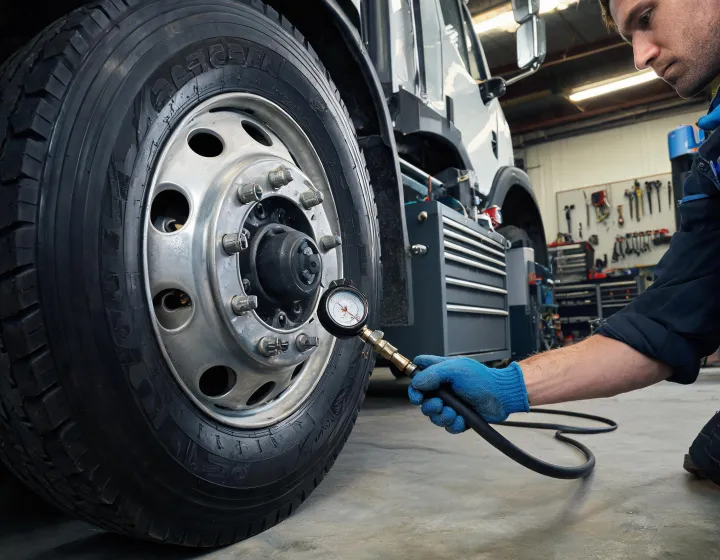
Sensor communication, wheel geometry and maintenance procedures must be considered together. Vehicle platform and model year help narrow the application boundary.
Operating cycles, vehicle utilization and service intervals inform the review of replacement components and their installation requirements.
Clear identification, application information and appropriate packaging help counter staff and technicians compare available service parts.
Nonstandard wheel geometry and environmental exposure require a documented interface and a review of the intended duty before selection.
This comparison is a starting checklist, not a claim of compatibility. Confirm the current vehicle and component information before specifying a part.
| Context | Interface questions | Operating questions |
|---|---|---|
| Passenger | Valve hole, rim profile and sensor clearance | Vehicle protocol and service procedure |
| Commercial | Rim configuration and valve access | Pressure range, duty cycle and inspection frequency |
| Aftermarket | OE reference and revision | Installation instructions and replacement scope |
| Specialty | Mounting envelope and mating surfaces | Exposure, load context and target market |
For any application, the relevant approval or standard must be identified for the specific product and jurisdiction. A quality management system certificate does not by itself establish product approval. Ask for the applicable evidence and its scope when planning a program.
Share the platform and service conditions for an application review.